
The Fundamentals of DJing: Equipment and Technical Knowledge
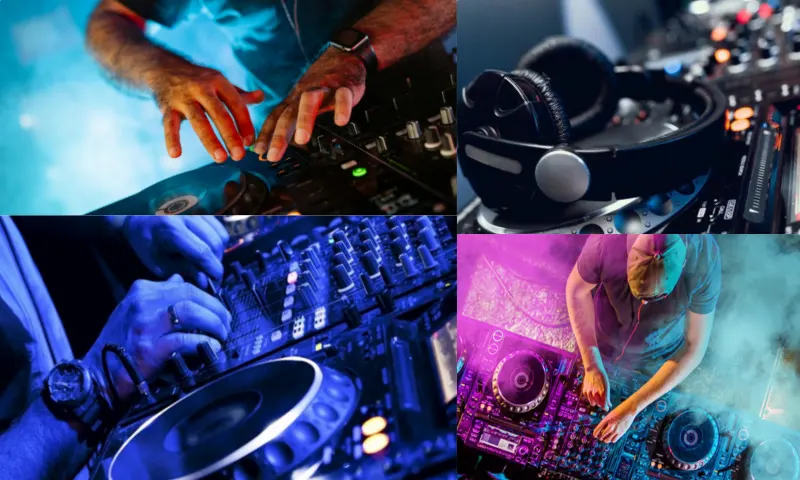
DJ training is primarily based on correctly mixing music, making transitions, and appealing to the audience. The first step in training involves familiarizing yourself with the equipment used. Among a DJ's most important tools are turntables, mixers, DJ software, and headphones. Learning to use this equipment correctly and effectively is one of the fundamental skills of a successful DJ. During DJ training, technical details such as beatmatching, tempo control, and EQ settings are also taught. Beatmatching is the ability to synchronize the speeds of two different songs to achieve a seamless transition and is one of the most important skills a professional DJ must possess. Furthermore, learning how to edit music in the digital world through the software used is also part of this training. For information on this subject and to ask your questions, you can check out related online companies on web pages and examine them in detail.
Musical Style and Audience Management in DJing
DJ training is not limited to learning technical skills; it is also very important for a DJ to develop their own unique musical style. Every DJ can specialize in a specific music genre and develop themselves in that field. It is possible to specialize in different music genres such as house, techno, hip-hop, R&B, and pop. DJ training provides skills such as understanding the rhythm and energy of music, creating setlists, and playing the right track at the right time. A DJ must know how to guide the audience during their performance, how to raise and lower the energy. Analyzing the audience well and choosing music suitable for their mood is one of the most important factors in a professional DJ's success. Therefore, DJ training also focuses on music theory and audience psychology.
Strategies for a DJ Career and Professional Development
In the final stages of DJ training, strategies for building a successful career in the professional world are discussed. DJing is not just limited to music; it is a profession that requires building a brand. A DJ must be able to correctly present their image and music style to the audience. At this stage, social media management, setlist preparation, producing one's own music, and improving stage performance become part of the training. Furthermore, DJs recording and sharing their own sets, being featured on music platforms, and building a large fan base by performing at events are also important steps for professional development. DJ training provides students with comprehensive information on pre- and post-performance preparations, music production skills, and ways to stand out in the industry.





