
Energy Efficiency in Air Conditioner Selection
Energy efficiency is one of the most important factors to consider when choosing an air conditioner. Energy-efficient devices are both an environmentally conscious choice and significantly reduce electricity bills in the long run. Classes such as A++ or A+++, which indicate the energy efficiency of an air conditioner, specify how little energy the device consumes. This label indicates that the air conditioner has low energy consumption and uses less electricity. Energy-efficient air conditioners provide great savings, especially with prolonged use. Additionally, air conditioners with inverter technology are highly advantageous in terms of energy efficiency. Inverter air conditioners work quickly until the desired temperature is reached, and then operate at low speed once the temperature is stabilized, saving energy. For information on this subject and to ask your questions, you can look at the relevant online companies on web pages and conduct a detailed review from there.
Air Conditioner Capacity and Room Size
Another important factor to consider when choosing an air conditioner is selecting the appropriate capacity for the room size. The capacity of an air conditioner is measured in BTU (British Thermal Unit), which determines how effectively the air conditioner can cool or heat the room. Choosing the right capacity according to the room size ensures the efficient operation of the device. For example, an air conditioner with a capacity of 9000 BTU would be suitable for a room of 20-25 square meters, and one with 12000 BTU for a room of 30-35 square meters. Factors such as ceiling height, window size, and outdoor temperatures can also affect air conditioner capacity, so seeking help from a professional expert can be beneficial. An air conditioner with the wrong capacity will both increase energy consumption and prevent you from achieving the desired cooling or heating efficiency.
Air Conditioner Types and Extra Features
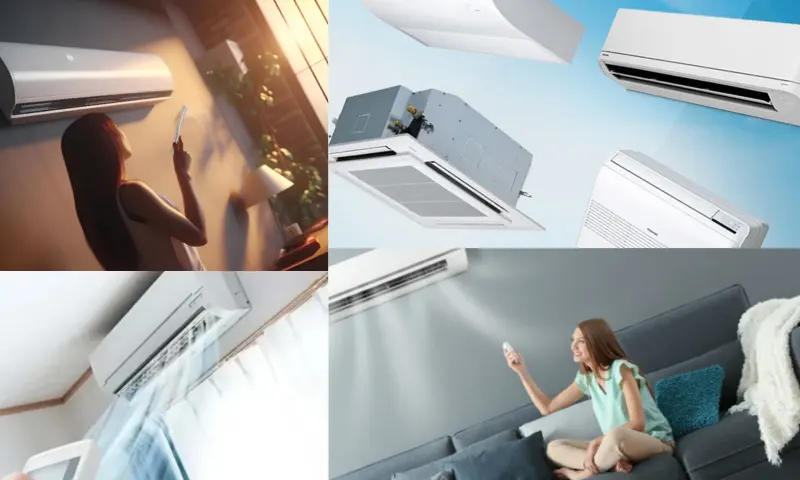
Air conditioner types can vary depending on your intended use. Split air conditioners are the most common type used in homes and offices, and they operate more quietly by separating the indoor unit from the outdoor unit. These air conditioners, suitable for large spaces such as living rooms and bedrooms, are also aesthetically preferred due to their stylish designs. Another option is portable air conditioners. These units offer a portable and practical solution, but they generally provide lower efficiency. Portable air conditioners, which operate with a single outlet without needing an outdoor unit, are ideal for short-term use in small spaces. Furthermore, the extra features of the air conditioner are also important. Features such as Wi-Fi connectivity, smartphone control, air purification systems, and dehumidification capabilities are elements that enhance the user experience. These features provide great advantages, especially in improving indoor air quality and increasing comfort during air conditioner use.





