

Commercial Efficiency of Full Truckload Transportation and Logistics Planning
Full truckload transportation operations, based on the principle that the cargo belonging to a single firm occupies the entire volume of the truck, are actually the most fundamental element determining a brand's foreign trade speed. The shipment's directed to its destination without being mixed with any other firm's cargo and without transshipment minimizes the risk of damage and significantly reduces delivery times. In the modern business world, this method stands out as the safest harbor, especially for manufacturers who need to adhere to delivery times. For information on this subject and to ask your questions, you can visit the relevant online firms on web pages and review them in detail.
Balance of Security and Speed in Full Truckload Transportation Operations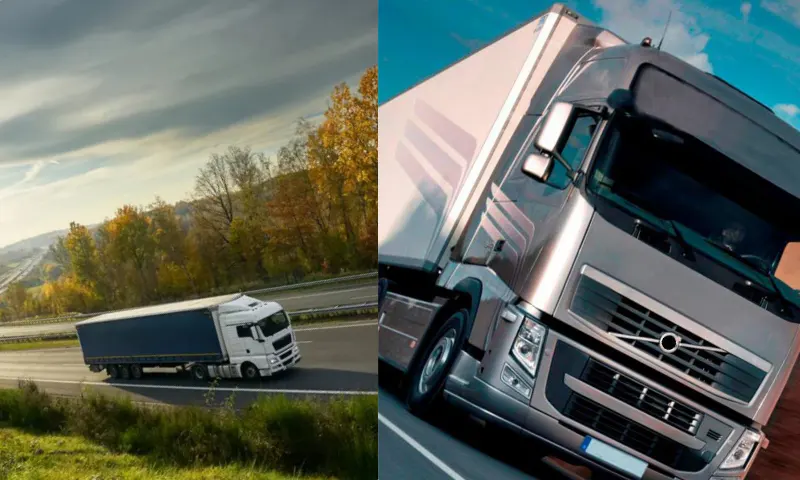
The biggest advantage that comes to mind when full truckload transportation is mentioned is that the cargo remains fixed in the vehicle and reaches the final recipient sealed. Since the transshipment or waiting times in partial loadings are eliminated in this model, the operational flow becomes much more predictable. However, the success of this process is measured not just by dispatching a vehicle, but by optimizing the route according to customs densities and road conditions. A professional logistics partner lightens the operational burden on businesses by transparently managing all data flow from before loading to after delivery.
How is Cost Optimization Achieved with Full Truckload Transportation?
In full truckload transportation processes, the freight cost needs to be viewed as an investment, and the focus should be on reducing the total operational cost. Sending a truck at full capacity optimizes the fuel and time cost per unit, while eliminating additional storage expenses through direct delivery. While every disruption in the supply chain is actually a cost item, the uninterrupted flow provided by this model increases the competitiveness of firms. Brands that want to establish a place in tomorrow's trade continue to position logistics not just as a transportation job, but as a strategic growth lever.