
How Babies' Brains Work
How Can I Contribute to My Baby's Language Development?
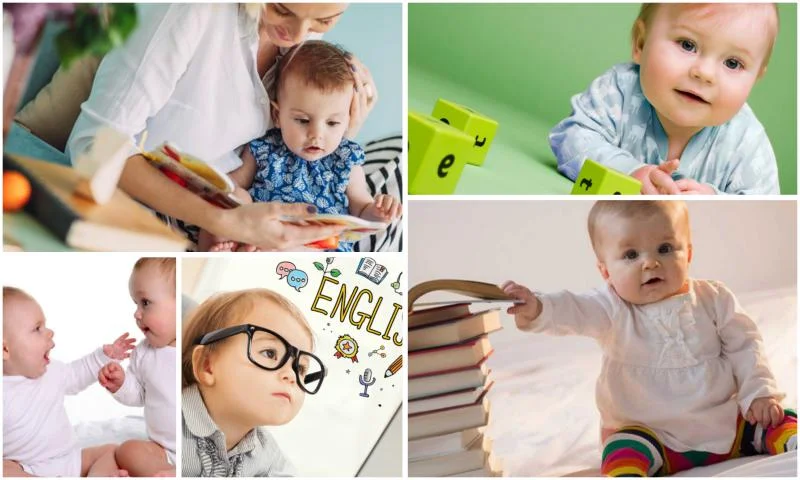
A baby's brain is very busy and will never be this busy again. What they are trying to do during this period is to consolidate the connections they have made. While they are trying to communicate, they are also dealing with understanding new concepts they encounter and organizing the processes between their thoughts and memory. In addition to the contributions you can make by playing games and telling stories together, you can also help by communicating through face-to-face conversation every day. Besides, what can you do to help your baby talk? At this stage, the funny language you use when talking to your baby, the high-pitched sounds you make with exaggerated facial expressions, are completely instinctive, and this form of communication, which we see as the most effective way for a baby to learn their mother tongue, is used by everyone.
Keep Your Baby Away From Television
During this period, television should be kept as far away from the baby as possible. Because the language used by television is too complicated for the baby, and this feature can distract them, harming the development of their social skills. A baby needs different types of games. When it is not necessary to sit and play with them, you can help your baby start the game by producing new and interesting game scenarios and making fun suggestions that add different dimensions to the game that they cannot come up with themselves. For example, if your baby enjoys games where they can engage in physical activities, you can add imaginary elements to their games. (Let's try to catch dinosaurs!) or if your baby is more interested in cars and trains, you can bring a creative dimension to this activity by making cars out of playdough. Babies need various opportunities to expend their energy. Swinging and running on winding paths are not just necessary for their balance and coordination. They also stimulate their vestibular system, which is very important for skills they will later learn, such as reading and writing.





