
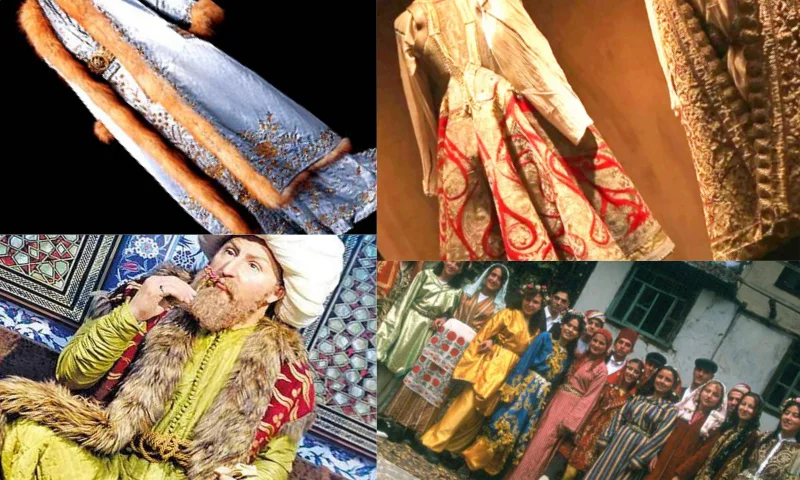
Ottoman Period Clothing Style
The Ottoman Empire was a vast empire that spanned many periods throughout its long history, and clothing styles underwent significant changes during these periods. In general, the Ottoman clothing style was rich and diverse. The empire combined influences from Asia, the Middle East, and Europe to create a unique clothing style. Turbans, kaftans, scarves, robes, and shalwars were the basic elements of the Ottoman clothing style. At the same time, colors and patterns were important indicators of a person's social status and profession.
Social Class and Clothing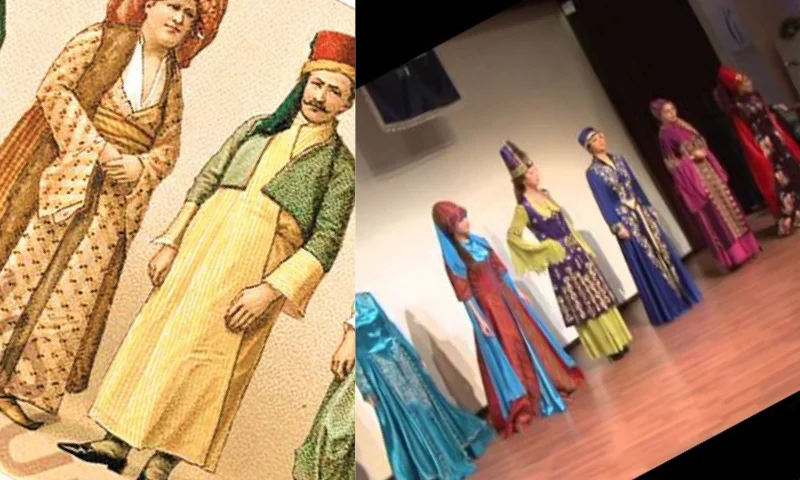
In the Ottoman Empire, clothing reflected a person's social class and status, while also being frequently regulated by laws. Sultans, palace members, and high-ranking state officials wore very ornate clothes adorned with rich fabrics. Ordinary people preferred simpler and more functional attire. Therefore, a person's clothing style generally clearly reflected their social status.
Ottoman Clothing Fashion and Heritage
The Ottoman clothing style evolved throughout the different regions and periods of the Ottoman Empire. Different fashions emerged in each period, and clothing styles constantly changed. However, Ottoman clothing fashion tended to combine aesthetics and functionality. Especially in Ottoman women's clothing, rich embellishments, patterns, and colors were striking. The Ottoman clothing heritage continues to have an impact today; traditional clothing is preferred especially for weddings and special events. The Ottoman Empire had a rich and diverse clothing tradition. Clothing style was shaped by social class, status, and period fashions.





