
Pool Maintenance: Cleaning, Chemical Balance, and Safety
One of the most fundamental elements of pool maintenance is cleaning. Regular pool cleaning should be ensured for both aesthetic and hygienic reasons. The cleaning process covers the surface, bottom, and sides of the pool water. For surface cleaning, accumulated leaves and debris should be collected using a skimmer. Additionally, a pool vacuum can be used for dirt and sediment at the bottom of the pool. Besides cleaning the bottom, the pool walls will also get dirty over time. Appropriate brushes and chemicals should be used to clean the walls. Brushing specifically helps remove algae and dirt underwater. In addition to regular cleaning, it should be ensured that the pool's water filter is functioning correctly. The filter plays a significant role in water purification and needs to be cleaned weekly. Clear and clean pool water is important for both visual appeal and your health. Furthermore, regular cleaning extends the life of the pool and ensures user safety. For information on this topic and to ask your questions, you can check the relevant online companies on internet pages and review them in detail.
Chemical Balance: Ensuring Water Quality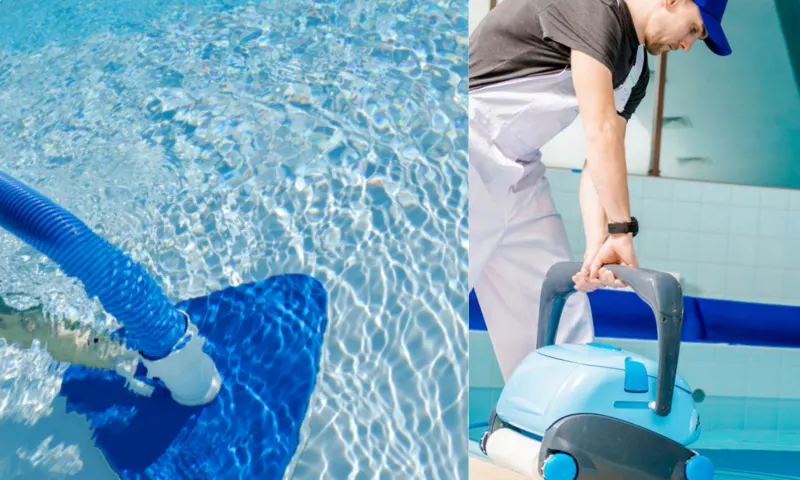
Another important issue, as much as pool cleaning, is the chemical balance of the water. Chemical balance is necessary for the pool to be used healthily. Balancing the pH level, chlorine level, and alkalinity of the pool water ensures disinfection and prevents the proliferation of harmful organisms such as bacteria and algae. The pH level of pool water should generally be between 7.2 and 7.6. Deviating from this level can cause skin irritation or a burning sensation in the eyes. pH reducers or enhancers can be used to achieve pH balance. Chlorine is widely used to kill germs in pool water. The chlorine level should generally be kept between 1-3 ppm (parts per million). Too low a chlorine level can lead to germ reproduction, while too high a chlorine level can increase the water's odor and cause skin irritation. Regularly checking the chemical balance and using the correct dosage of necessary chemicals ensures that the pool remains healthy and safe.
Pool Safety: Protecting Users
One of the most important elements in pool maintenance is safety. Pool maintenance is not limited to its cleanliness and chemical balance; various measures must also be taken to ensure user safety. First of all, non-slip flooring should be used around the pool. Such flooring reduces the risk of slipping, especially in wet areas. Additionally, installing protective railings or fences around the pool increases safety, especially for children. Pool depth markings and warning signs also play an important role in ensuring user safety. Furthermore, the water level in the pool is important for safety. It can be risky for people who cannot swim to enter the water, so depths must be clearly defined. Additionally, the pool's water level should be regularly checked and maintained at an appropriate level. Taking safety precautions in pool maintenance ensures that users can enjoy themselves comfortably and swim safely. Regular maintenance is essential to ensure personal safety and maintain the proper functioning of the pool. Pool maintenance is a comprehensive process that includes both cleaning and chemical balance. When regular cleaning, proper chemical balance, and safety precautions are taken, your pool offers a healthy and enjoyable environment.