

The Pleasure and Advantages of Growing Plants in a Summer House Garden
Growing plants in a summer house garden is an enjoyable pursuit that allows you to be close to nature and makes your living space more aesthetic. In summer regions, due to higher air temperatures and longer sun exposure, plants grow quite rapidly. This provides a significant advantage for those who want to garden as a hobby. Growing flowers, vegetables, aromatic herbs, or ornamental plants in the garden enhances the home's energy and brings peace to the individual. Dealing with soil reduces stress levels, while regular care increases the sense of accomplishment. For families with children, growing plants becomes an educational activity, contributing to the development of environmental awareness. Gardening in summer houses can become both a productive and therapeutic hobby. For information on this subject and to ask your questions, you can check relevant online firms on web pages and review them in detail.
Types of Plants That Can Be Grown in a Summer House Garden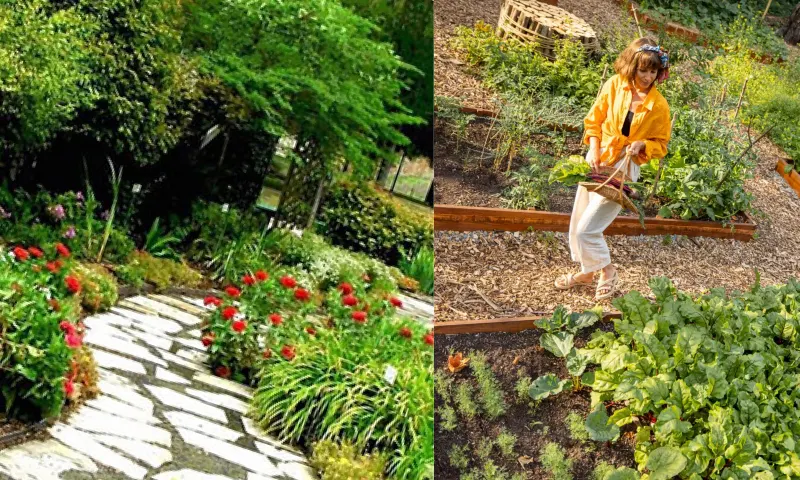
Choosing the right plants is quite important during the process of growing plants in a summer house garden. Especially species that are resistant to hot climates grow more productively in summer areas. Aromatic plants such as lavender, rosemary, sage, and mint add vitality to the garden with both their scents and appearance. Growing summer vegetables like tomatoes, peppers, and cucumbers is also very popular; they grow quickly in sunny areas and yield abundantly. Ornamental plants such as hydrangeas, begonias, geraniums, and oleanders provide an aesthetic appearance in summer gardens. Additionally, fruit trees like lemon, tangerine, or fig are frequently preferred in summer gardens. Each plant has different light, soil, and watering needs, so the region's climate and the garden's location should be considered when making a selection.
Things to Consider When Growing Plants in the Garden
To be successful in the process of growing plants in a summer house garden, attention should be paid to some important points. First of all, the quality of the soil is of great importance; soil rich in organic matter and well-drained ensures healthier plant growth. Regular and correct watering is of critical importance, especially during summer heat. Watering in the morning or evening hours prevents plants from experiencing stress. Placing plants suitable for sunny areas in sunny spots and for shady areas in shady spots also makes a big difference for their development. In addition, combating harmful insects with natural methods helps protect plants. Soil moisture can be preserved and the growth of weeds can be prevented with mulch application. When all these steps are taken, growing plants in a summer house garden turns into a both enjoyable and very productive experience.