

Aesthetic Factors in Dental Design
Dental design is an important process for enhancing individuals' smiles and facial features aesthetically. Aesthetic dental design involves details related to the shape, size, color, and placement of teeth. White, regular, and natural-looking teeth contribute to a healthy smile and self-confidence. Aesthetic applications such as teeth whitening, dental veneers, and braces play a significant role in improving the appearance of teeth. Dental veneer applications correct color and shape by adding thin layers to the teeth. Furthermore, the symmetrical and harmonious placement of teeth provides a look that is compatible with facial features. These types of aesthetic improvements increase a person's overall appearance and self-confidence. For information on this subject and to ask your questions, you can look at relevant online companies on web pages and conduct a detailed review from there.
Functional Considerations in Dental Design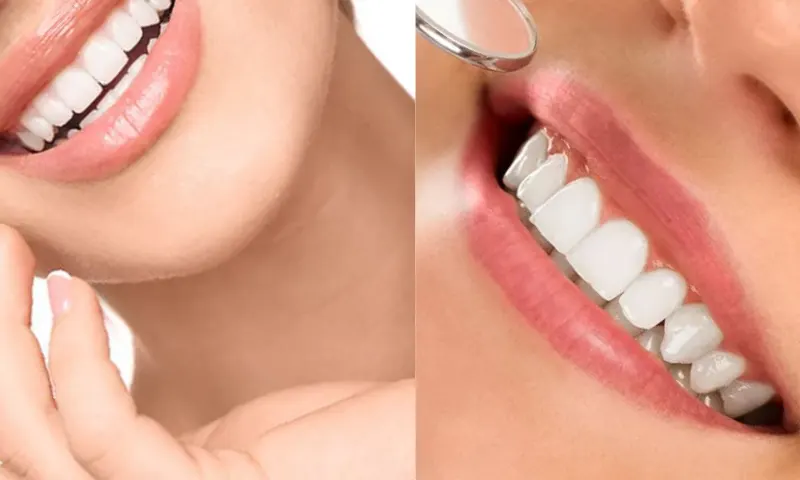
Dental design is important not only for aesthetics but also for functionality. Proper alignment and function of teeth affect oral health and daily life. The healthy execution of basic functions such as chewing and speaking is a critical part of dental design. Correct alignment of teeth prevents biting problems and chewing difficulties, and also reduces tooth wear and decay. Orthodontic treatment is used to ensure the proper alignment of teeth; braces and clear aligners are part of this process. Additionally, problems such as temporomandibular joint (TMJ) disorders and teeth grinding can affect the functional aspects of dental design, and appropriate treatment plans are necessary for these conditions.
Technological Innovations in Dental Design
Technology has made significant advancements in dental design, and these innovations are improving both aesthetic and functional outcomes. Digital dental design, with CAD/CAM (Computer-Aided Design/Computer-Aided Manufacturing) technology, allows for precise and personalized design of teeth. This technology creates digital images of teeth and enables fast and accurate production in a laboratory setting. Furthermore, 3D printers enable the rapid and accurate production of dental prosthetics and veneers. Digital X-rays and intraoral cameras facilitate better diagnosis and treatment planning for dentists. Smart toothbrushes and applications personalize oral care and help individuals monitor their dental health. Dental design combines aesthetic, functional, and technological aspects, improving individuals' overall oral health and appearance. Aesthetic applications, functional solutions, and technological innovations represent a comprehensive approach to dental design. Personalized dental design, tailored to each individual's needs and goals, yields positive results in both aesthetics and health.