

Why is First Aid Training Necessary?
In daily life, it is possible to encounter unexpected accidents at home, at work, or on the street. In such situations, correct and rapid intervention can be life-saving. First aid training ensures that individuals can give conscious, calm, and correct responses in emergency situations. In emergencies such as heart attack, drowning, fainting, bleeding, or fracture, the first intervention made until professional help arrives is of vital importance. Therefore, the widespread dissemination of first aid awareness in society is extremely important for the protection of both individual and public health. You can look at the relevant online companies on internet pages to get information on this subject and to ask your questions, and you can review it in detail from here.
What is Included in the Training Content?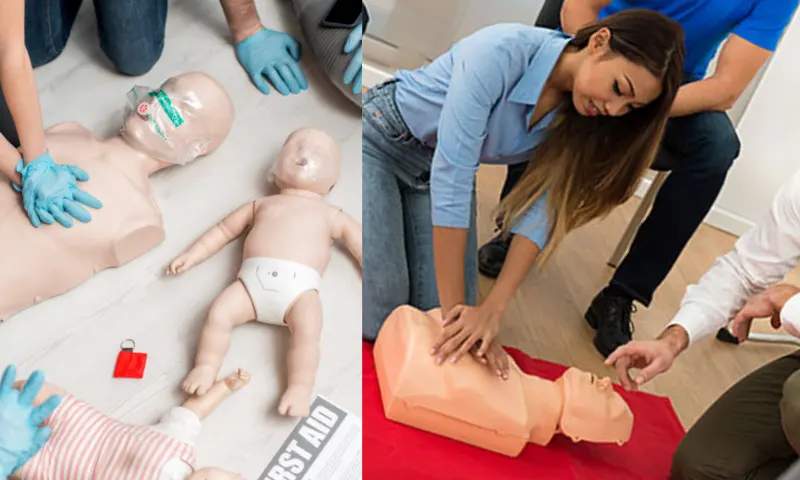
First aid training covers practical applications as well as basic health knowledge. Participants are first taught what to do and what not to do in emergencies. Topics such as consciousness check, airway opening, artificial respiration, cardiopulmonary resuscitation (CPR), bleeding control, fracture-dislocation intervention, burns, and frostbite are covered in detail. In addition, intervention methods for special situations such as poisoning, epilepsy seizure, and foreign body obstruction are also included in the training program. This information is reinforced practically with mannequins and simulations, in addition to theoretical explanations.
Who Should Get First Aid Training?
In fact, everyone needs to get first aid training. However, drivers, teachers, sports instructors, occupational safety personnel, and parents are among the priority groups. According to occupational health and safety laws, this training is mandatory for some professional groups. The first aid certificate is issued with an exam at the end of the training and must be renewed at certain intervals. The trainings are given by institutions approved by the Ministry of Health. The training of more individuals in society increases the chance of saving lives by increasing the rate of conscious intervention in emergencies.