
Why Did Ottoman Sultans Not Go on Hajj?
Ottoman Sultans' Non-Attendance at Hajj
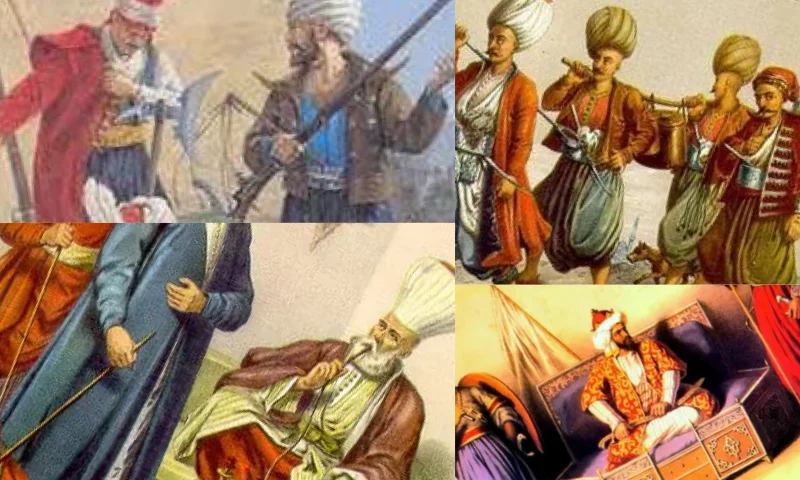
The Ottoman Empire was one of the empires that ruled the world for centuries. A total of 36 Sultans ruled the Ottoman Empire. None of these 36 Sultans went on Hajj. There are specific reasons why the Sultans did not go on Hajj. Some of these reasons are spiritual, while others are state affairs. In the Ottoman era, going on Hajj meant withdrawing from worldly affairs. Many people who went on Hajj turned more towards spirituality in their remaining lives. It would have been detrimental to the state for the Sultans to leave worldly affairs behind and lead an ordinary life. In other words, if a Sultan did not go on campaigns, did not deal with state affairs, and did not reform the military, this situation could have led to the end of the state. Therefore, none of the Sultans performed the duty of Hajj. You can look at the relevant online firms on internet pages to get information on this subject and ask your questions, and examine it in detail from here.
What Are Examples of Sultans Who Did Not Go on Hajj?
An example of this situation is Fatih Sultan Mehmet wanting to receive education in religion and sufism from his teacher Akşemseddin, but Akşemseddin refusing him. The reason Akşemseddin refused Fatih was to prevent him from distancing himself from the Sultanate. Another example is Yavuz Selim. Although Yavuz Sultan Selim Khan went as far as Egypt, he did not go on Hajj. The reason for this is the increased possibility of an attack during the Hajj period because there would be no Sultan at the head of the state. This is because even when the Sultan was not in the capital, enemy states would unite and use this situation as an opportunity. The only Şehzade within the Ottoman dynasty who went on Hajj was Cem Sultan, the son of Fatih Sultan Mehmet. On the other hand, the last Ottoman Sultan, Sultan Vahdettin, performed the Umrah pilgrimage after 1922.





