
Industry Standards in Carbon Black and Nanometric Reinforcement Technologies
Stability of Carbon Black Raw Material in Molding and Extrusion Processes
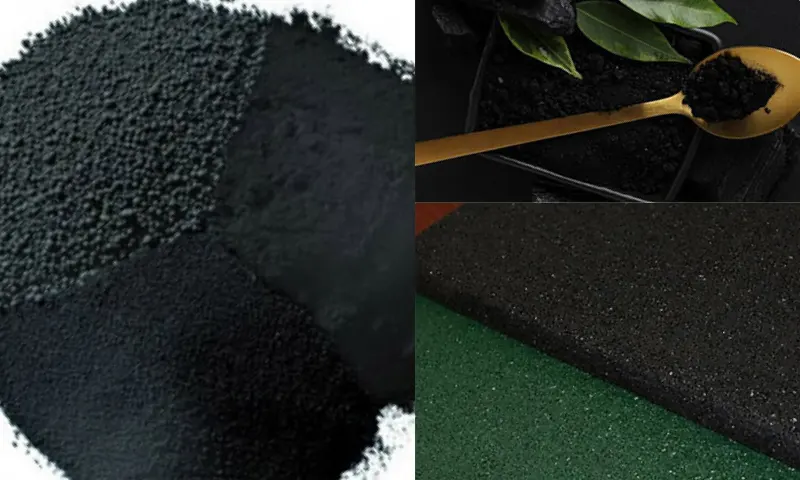
Carbon black, considered the most fundamental functional filler material in enhancing the mechanical strength of industrial polymer matrices, is a strategic raw material obtained through the controlled thermal decomposition or incomplete combustion of amorphous hydrocarbons. The nanometric particle size and aggregate morphology in its structure directly determine the tensile strength, tear resistance, and wear performance under dynamic load of rubber and plastic compounds. This controlled structure makes this product an indispensable engineering component, especially in mass production lines requiring stable physical strength, predictable electrical conductivity values, and high UV protection. Quadro Kimya, offering professional solutions through global supply networks to meet this high quality expectation of the industry, forms a strategic raw material base for domestic manufacturers to achieve world-class outputs. You can visit the web platform at https://quadrokimya.com/urunlerimiz/karbon-siyahi/ to explore the latest innovations in polymer additive technologies and discover formulas that will strengthen your production infrastructure, and shape your corporate raw material operations with a secure structure. The right choice of functional filler directly elevates your brand's value by increasing the mechanical stability that final products will exhibit in the field.
Transparency and Future Strategies in the Carbon Black Supply Chain
The biggest factor determining the quality of raw materials in modern polymer component manufacturing is the dispersion stability performance of the material in high-temperature mixing (banbury) and injection lines. Carbon black, thanks to its controlled macrostructure, prevents the risk of agglomeration during mixing cycles, ensuring that every part coming out of the mold has homogeneous physical properties. This balanced structure of the material reduces scrap rates to almost zero on high-speed mass production lines while directly extending the mold life of manufacturing machinery. Furthermore, it achieves excellent compatibility with natural and synthetic rubbers, pushing the tensile and hardness limits of hybrid compound formulations upwards. The ability of industrial facilities to maintain operational profitability is directly dependent on the supply continuity of the functional raw materials used and their maintenance of the same technical values in every shipment batch. Traceability and transparent documentation approaches applied throughout the entire logistics process, from the production source of the raw material to its arrival at the factory, save time for manufacturers by shortening the test periods at the raw material acceptance stages. Visionary businesses operating with a strong supply architecture optimize periodic inventory costs, thereby channeling financial resources into more efficient areas and gaining opportunities to open new growth doors on a global scale.